
Eye Health Guide · ORINvue
Stye and Chalazion (Eyelid Bump)
Hindi / common name: Stye & Chalazion (gohani / anjani (stye), palak ki gaanth (chalazion))
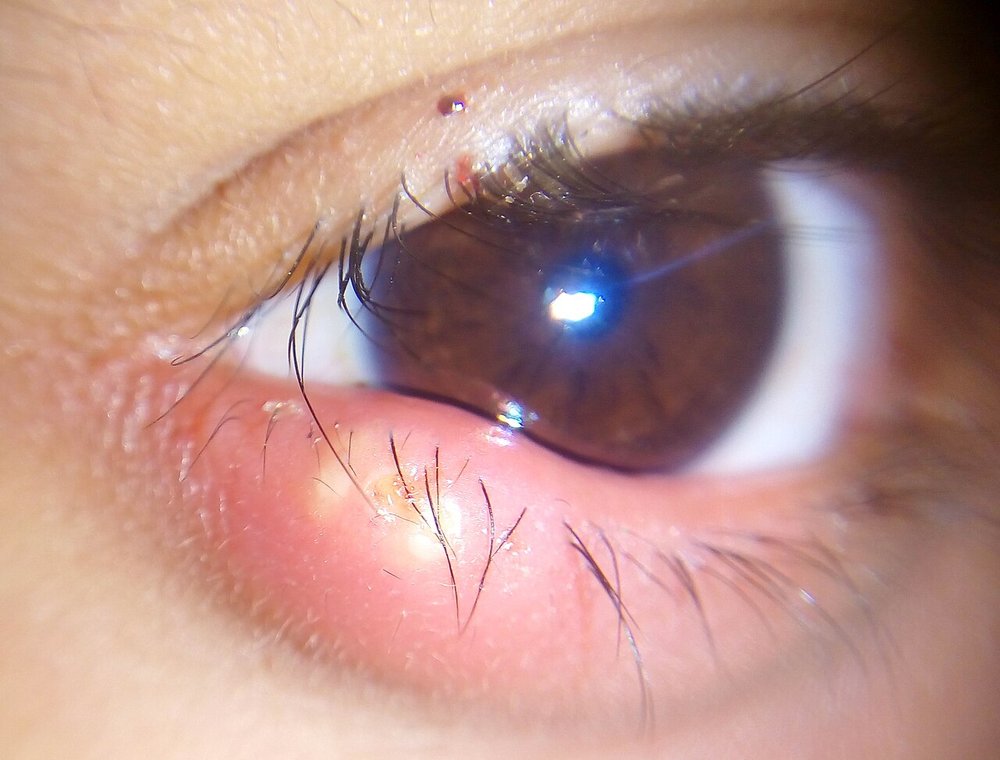
A stye (hordeolum), known in Hindi as gohani or anjani, is a painful red bump on the edge of the eyelid caused by an infected oil gland or eyelash follicle. A chalazion is a usually painless, firm lump further inside the eyelid caused by a blocked oil gland. Both are very common, usually harmless, and most get better with simple home care.

Symptoms of Stye & Chalazion
- Stye: a painful, red, tender bump on the eyelid edge, sometimes with a yellow head
- Chalazion: a firm, round, usually painless lump inside the eyelid
- Swelling of the eyelid
- Watering or a gritty feeling
- Mild blurring if a large chalazion presses on the eye
- Tenderness when blinking
Causes and risk factors
- Bacterial infection of an oil gland or eyelash follicle (stye)
- Blocked meibomian (oil) glands in the eyelid (chalazion)
- Blepharitis (eyelid inflammation) and dandruff
- Rubbing the eyes with unwashed hands
- Old or shared eye make-up and kajal
- Rosacea, and in some people poorly controlled diabetes
How it is diagnosed
A stye or chalazion is usually diagnosed simply by looking at the eyelid. An eye doctor may examine the lid with a slit lamp. A lump that keeps coming back in the same place, especially in older adults, may need a small biopsy to rule out other causes.
Treatment options
- Warm compresses for 5 to 10 minutes, 3 to 4 times a day, to help the gland drain
- Gentle eyelid cleaning and massage, as advised
- Do not squeeze or prick a stye
- Antibiotic ointment or tablets only if prescribed by a doctor, for example if infection spreads
- A persistent chalazion may be treated by an eye doctor with a small procedure or a steroid injection
Glasses and lens options
Avoid contact lenses and eye make-up until the stye heals. Wearing glasses instead is fine; keep them clean.
Prevention and everyday care
- Wash hands before touching your eyes
- Remove eye make-up every night and replace it regularly
- Do not share kajal, towels or make-up
- Keep eyelids clean if you have blepharitis
- Treat dandruff on the scalp and eyebrows
When to see an eye specialist the same day
- Swelling and redness spreading across the eyelid or face
- Fever with eyelid swelling
- Vision changes or difficulty moving the eye
- A lump that keeps returning in the same place
- No improvement after one to two weeks
Stye & Chalazion in Lucknow
Hot, humid weather and dust in Lucknow can make eyelid glands more likely to block. Clean hands and clean eyelids go a long way.
How ORINvue can help
Most styes settle with warm compresses; one that is spreading, painful or keeps returning is best seen by an eye doctor. Once your eyelid has healed, every eye test at ORINvue is done by our qualified optometrist, Khushboo Gangwar, a complete 10–15 minute check, free with every spectacle package, with spectacles from ₹999 all-inclusive.
Book Free Eye TestFrequently asked questions about Stye & Chalazion
Is a stye contagious?
Styes are not usually spread from person to person, but bacteria can spread via hands, towels and make-up, so avoid sharing.
Should I burst a stye?
No. Squeezing can spread infection. Warm compresses help it drain naturally.
How long does a chalazion take to go away?
Many settle in a few weeks with warm compresses. Some persist for months and may need a small procedure by an eye doctor.
Can I wear make-up with a stye?
It is best to avoid eye make-up until it heals and to throw away products used just before it appeared.
Why do I keep getting styes?
Recurring styes are often linked to blepharitis, poor lid hygiene or skin conditions. An eye doctor can advise on regular lid care.
Explore more: Eye Health Guide (all conditions) · Optical & spectacles questions answered · ORINvue blog
Book a free eye test at ORINvue
Every eye test is done by our qualified optometrist, Khushboo Gangwar, free with every spectacle package. Opening December 2026 in Kalyanpur, Vikas Nagar, Lucknow. Open daily 10 AM–10 PM.
Book Free Eye Test