
Eye Health Guide · ORINvue
Strabismus (Squint)
Hindi / common name: Squint (Strabismus) (bhengapan / tedhi aankh)
Strabismus, commonly called squint or bhengapan, is a condition in which the two eyes do not point in the same direction. One eye may turn in, out, up or down, all the time or only sometimes. Squint is common in children and can lead to lazy eye if not treated early. A new squint in an adult, especially with double vision, can be a sign of a nerve or general health problem and needs prompt medical attention.
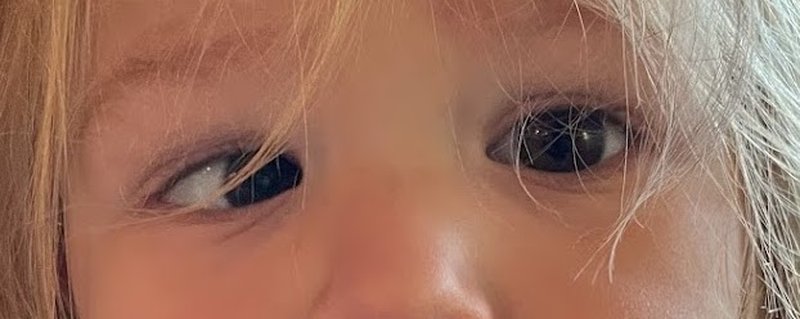

Symptoms of Squint (Strabismus)
- One eye turning inwards (esotropia), outwards (exotropia), up or down
- The turn may be constant or come and go, often when tired or unwell
- Closing or covering one eye in bright light
- Head tilting or turning
- Double vision, more common in adults with a new squint
- Poor depth perception
Causes and risk factors
- Uncorrected hyperopia, which can cause an inward turn in young children (accommodative esotropia)
- Family history of squint
- Problems with the eye muscles or the nerves that control them
- Premature birth, cerebral palsy and some genetic conditions
- Poor vision in one eye due to cataract, high power or other disease
- In adults: diabetes, thyroid eye disease, head injury, stroke or other neurological conditions
How it is diagnosed
An ophthalmologist or orthoptist checks eye alignment with simple cover tests, measures the angle of the squint with prisms, checks the vision of each eye and measures power using cycloplegic drops. The back of the eye is examined to rule out other causes. Babies' eyes may wander occasionally in the first few months; a squint that persists beyond about 4 months of age should be checked.
Treatment options
- Glasses to correct power, which can fully straighten some squints caused by hyperopia
- Patching or drops to treat any lazy eye, as advised by the doctor
- Prism lenses in selected cases to reduce double vision
- Eye exercises for certain types, such as convergence problems
- Squint surgery to realign the eye muscles when needed
- Botulinum toxin injections in selected cases, decided by a specialist
Glasses and lens options
If glasses are part of the squint treatment, they usually need to be worn full-time and fit well so the child looks through the optical centre. Flexible kids' frames with polycarbonate lenses are safest. Prism lenses must be made precisely to the doctor's prescription.
Prevention and everyday care
- Squint cannot always be prevented, but early detection prevents lazy eye
- Check a baby's eyes if a turn continues beyond 4 months
- Have a full eye check before school
- Make sure prescribed glasses are worn consistently
When to see an eye specialist the same day
- Sudden onset of squint or double vision in an adult or child
- Squint with headache, drooping eyelid or weakness
- A white reflex in the pupil in photos
- A child who suddenly starts tilting the head or closing one eye
Squint (Strabismus) in Lucknow
In parts of India some people believe a squint is lucky or that children will 'grow out of it'. Neither is true: early treatment gives children in Lucknow the best chance of good vision and straight eyes.
How ORINvue can help
At ORINvue, our qualified optometrist, Khushboo Gangwar, checks vision and power and notices a turning eye early, with the eye test free with every package. For squint treatment, she guides children and adults to a trusted eye specialist. ORINvue then makes the prescribed glasses, including kids' polycarbonate lenses, from ₹999 all-inclusive.
Book Free Eye TestFrequently asked questions about Squint (Strabismus)
Will my child grow out of a squint?
A true squint does not go away on its own and can cause lazy eye. Brief wandering in the first few months can be normal, but anything persistent should be checked.
Is squint lucky?
No. This is a myth. Squint is a medical condition that can affect vision and depth perception and should be treated.
Can glasses correct squint without surgery?
Some squints, especially inward turns caused by hyperopia, can be fully or partly corrected with glasses. Others need surgery. An eye doctor will advise.
Can adults have squint surgery?
Yes. Adults can have squint surgery to improve alignment and sometimes double vision. Discuss expectations with an ophthalmologist.
Why did I suddenly get double vision?
Sudden double vision can be caused by nerve problems, diabetes, thyroid disease or stroke. Seek medical attention promptly.
Explore more: Eye Health Guide (all conditions) · Optical & spectacles questions answered · ORINvue blog
Book a free eye test at ORINvue
Every eye test is done by our qualified optometrist, Khushboo Gangwar, free with every spectacle package. Opening December 2026 in Kalyanpur, Vikas Nagar, Lucknow. Open daily 10 AM–10 PM.
Book Free Eye Test