
Eye Health Guide · ORINvue
Amblyopia (Lazy Eye)
Hindi / common name: Amblyopia (aalsi aankh / lazy eye)
Amblyopia, commonly called lazy eye, is reduced vision in one eye (sometimes both) because the brain and eye did not learn to work together properly during early childhood. The eye itself may look normal. Amblyopia is the most common cause of reduced vision in one eye among children, and it responds best to treatment when found early, ideally before the age of about 7 or 8.
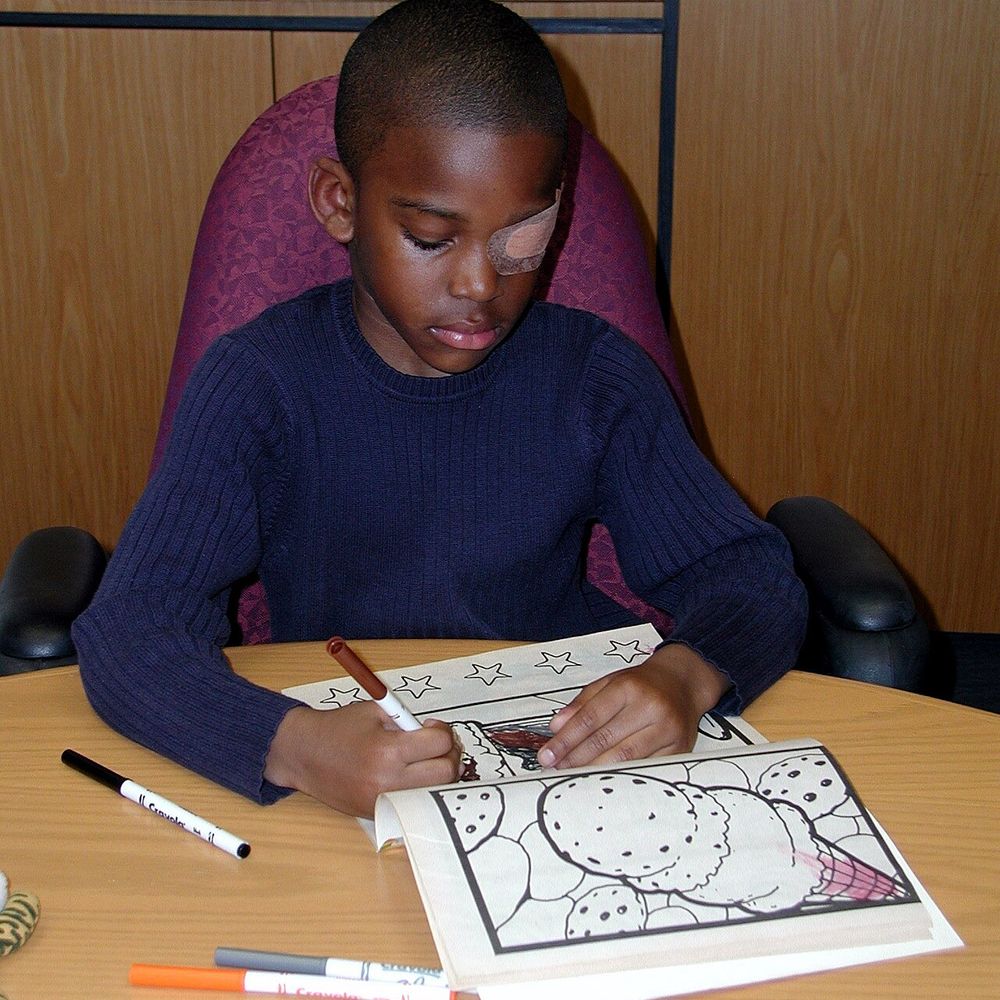

Symptoms of amblyopia
- Often no obvious symptoms; children rarely complain because the good eye compensates
- Poor vision in one eye found during a school or routine eye test
- An eye that turns in or out (squint)
- Squinting, tilting the head or closing one eye
- Poor depth perception, bumping into things or difficulty catching balls
- Objecting strongly when the good eye is covered
Causes and risk factors
- A big difference in spectacle power between the two eyes (anisometropia)
- Squint (strabismus), where the eyes are not aligned
- High uncorrected power in both eyes
- Something blocking vision early in life, such as congenital cataract or a droopy eyelid (ptosis)
- Family history of amblyopia or squint, and premature birth
How it is diagnosed
Amblyopia is diagnosed by testing each eye separately and finding reduced vision that does not fully correct with glasses. A paediatric ophthalmologist examines the eyes, checks alignment, and measures power with cycloplegic drops to rule out other eye diseases. Children should have their vision checked before starting school, and earlier if parents notice anything unusual.
Treatment options
- Full-time glasses with the correct power, often the first step and sometimes enough on their own
- Patching the stronger eye for a few hours a day, as prescribed by the eye doctor
- Atropine drops in the stronger eye to blur it and make the weaker eye work, if prescribed
- Treating the cause, such as squint surgery or cataract surgery, when needed
- Regular follow-up visits until vision stabilises; treatment works best in younger children but some older children also improve
Glasses and lens options
Children need glasses that they will actually wear all day: flexible, lightweight frames that fit snugly, and impact-resistant polycarbonate lenses. The prescription must be exact, especially when the two eyes have different powers.
Prevention and everyday care
- Get a child's eyes checked before starting school, around age 3 to 5
- Have earlier checks if there is a family history of squint or high power
- Do not ignore an eye that turns, a head tilt, or one eye being covered
- Make sure prescribed glasses are worn as advised
When to see an eye specialist the same day
- A white reflex in the pupil in photographs
- An eye that suddenly turns
- Drooping eyelid covering the pupil in a baby
- A child who suddenly cannot see well with one eye
Amblyopia in Lucknow
Many children in Lucknow have their first eye test only when a teacher notices a problem. Because amblyopia often has no symptoms, a pre-school eye check is one of the best things parents can do.
How ORINvue can help
At ORINvue, our qualified optometrist, Khushboo Gangwar, tests each eye separately to spot a power difference or reduced vision, with the eye test free with every package. When a child needs patching or drops, she guides you to a trusted eye specialist who supervises the treatment. We make kids' glasses with flexible frames and polycarbonate lenses, from ₹999 all-inclusive.
Book Free Eye TestFrequently asked questions about Amblyopia
Can lazy eye be treated in older children or adults?
Treatment works best in young children, but many older children improve too, and some adults may see benefit. Ask a paediatric ophthalmologist.
Is lazy eye the same as squint?
No. Squint means the eyes are not aligned. Lazy eye means reduced vision in an eye. Squint can cause lazy eye, but lazy eye can also occur in straight eyes.
How long does patching take?
It varies from weeks to many months depending on age and severity. Your eye doctor will set the hours and monitor progress.
Will my child need glasses forever?
Many children with amblyopia continue to need glasses for their power. The doctor will advise as the child grows.
Why is early detection so important?
The visual system develops most in early childhood. Treatment during this period gives the best chance of good vision in the weaker eye.
Explore more: Eye Health Guide (all conditions) · Optical & spectacles questions answered · ORINvue blog
Book a free eye test at ORINvue
Every eye test is done by our qualified optometrist, Khushboo Gangwar, free with every spectacle package. Opening December 2026 in Kalyanpur, Vikas Nagar, Lucknow. Open daily 10 AM–10 PM.
Book Free Eye Test