
Eye Health Guide · ORINvue
Night Blindness (Nyctalopia)
Hindi / common name: Night Blindness (ratondhi / raat mein kam dikhna)
Night blindness, or nyctalopia, means difficulty seeing in dim light or at night, and taking longer to adjust when moving from bright to dark places. It is known in Hindi as 'ratondhi'. Night blindness is not a disease on its own but a symptom with many possible causes, from simple uncorrected power to vitamin A deficiency or inherited retinal disease, so finding the cause is important.
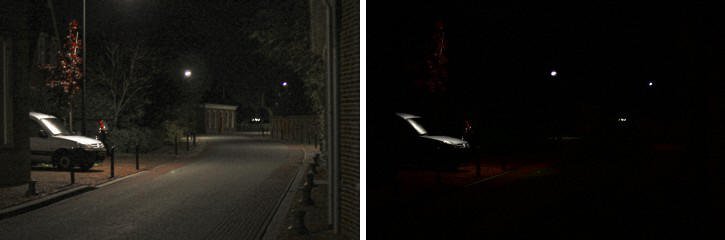

Symptoms of Night Blindness
- Difficulty seeing at night or in dim rooms
- Trouble driving at night, especially with oncoming headlights
- Taking a long time to adjust to darkness, such as in a cinema
- Bumping into things in low light
- Glare and halos around lights
- In vitamin A deficiency: dry eyes and foamy grey spots on the white of the eye (Bitot's spots)
Causes and risk factors
- Uncorrected myopia, which often feels worse at night
- Cataract
- Vitamin A deficiency, still seen in some children and in people with poor diet or absorption problems
- Retinitis pigmentosa and other inherited retinal conditions
- Glaucoma and some glaucoma medicines
- Diabetes affecting the retina
How it is diagnosed
An optometrist first checks for uncorrected power, which is a common and easily fixed cause. An ophthalmologist then examines the lens and retina after dilating the pupils. Depending on the findings, tests may include visual fields, retinal imaging, electroretinography (ERG) for inherited conditions, and blood tests for vitamin A levels.
Treatment options
- Correct spectacle power, including a separate night-driving check if needed
- Cataract surgery if cataract is the cause
- Vitamin A supplementation for proven deficiency, only under a doctor's guidance as excess vitamin A is harmful
- Management of glaucoma or diabetes by your eye doctor
- Low-vision support and genetic counselling for inherited retinal diseases
Glasses and lens options
Anti-glare (anti-reflection) coated lenses reduce reflections and halos from headlights and street lights. Keep lenses clean and scratch-free. Yellow 'night driving' glasses are widely sold, but they reduce the total light reaching your eyes and have not been shown to improve night vision, so we do not recommend them for driving at night.
Prevention and everyday care
- Eat vitamin A rich foods such as carrots, green leafy vegetables, yellow fruits, milk and eggs
- Follow government vitamin A supplementation advice for young children
- Get regular eye tests, especially if night driving feels harder
- Protect your eyes from UV to reduce cataract risk
When to see an eye specialist the same day
- Rapidly worsening night vision
- Night blindness with narrowing side vision
- Dry eyes with spots on the white of the eye in a child
- Sudden vision loss at any time
Night Blindness in Lucknow
Many people in Lucknow drive or ride two-wheelers home late in the evening. If headlights and dim lanes are becoming harder to handle, get your eyes tested rather than assuming it is just tiredness.
How ORINvue can help
At ORINvue, our qualified optometrist, Khushboo Gangwar, checks whether uncorrected power is behind your night vision trouble, with the eye test free with every spectacle package. We offer anti-glare lenses, with spectacles from ₹999 all-inclusive. If the cause needs medical care, such as cataract, vitamin A deficiency or a retinal condition, she guides you to a trusted eye specialist.
Book Free Eye TestFrequently asked questions about Night Blindness
Is night blindness curable?
It depends on the cause. Uncorrected power, cataract and vitamin A deficiency can be treated. Inherited conditions like retinitis pigmentosa currently have limited treatment options.
Should I take vitamin A tablets for night blindness?
Only if a doctor confirms deficiency. Too much vitamin A can be harmful. A balanced diet is enough for most people.
Do yellow night-driving glasses help?
They may make things look brighter but actually reduce light reaching the eye. They are not proven to improve night vision and are not recommended for night driving.
Can myopia cause night blindness?
Uncorrected or under-corrected myopia often feels worse at night. Updating your glasses can make a big difference.
Does anti-glare coating help at night?
Yes. It reduces reflections and halos from headlights and lights, making night vision more comfortable.
Explore more: Eye Health Guide (all conditions) · Optical & spectacles questions answered · ORINvue blog
Book a free eye test at ORINvue
Every eye test is done by our qualified optometrist, Khushboo Gangwar, free with every spectacle package. Opening December 2026 in Kalyanpur, Vikas Nagar, Lucknow. Open daily 10 AM–10 PM.
Book Free Eye Test